Educational guide
How CBD Helps
A plain-language overview of what CBD is, what researchers are studying and what to consider when choosing a product. General information only, not medical advice.
Understanding How CBD Works
Cannabidiol (CBD) is one of many compounds found in the cannabis plant. Unlike THC, it is non-intoxicating, and it has attracted growing scientific interest in recent years.
Understanding CBD begins with three questions: what it is, how it interacts with the body, and what research can and cannot tell us.

CBD and the Endocannabinoid System
The endocannabinoid system (ECS) is a cell-signalling system found in the body. It includes endocannabinoids, receptors (such as CB1 and CB2) and enzymes that help produce and break down these signalling molecules.
Researchers study the ECS in connection with sleep, appetite, mood, pain signalling and immune function. CBD does not simply switch processes on or off. Its interactions are complex and are still being investigated.
CBD vs THC
CBD
- Non-intoxicating
- Studied for how it interacts with the body's signalling systems
- Found in hemp-derived products
THC
- The primary intoxicating cannabinoid
- Interacts with the body differently from CBD
- Regulated separately from CBD products
Both are cannabinoids, but they interact differently. Product composition matters, so always read the label.
Areas of Scientific Interest
Researchers have explored CBD in several areas. The strength of evidence differs considerably between them, and many findings are preliminary.
Sleep
Studies have looked at CBD and sleep patterns.
Stress and anxiety
Research has examined anxiety-related questions.
Pain and inflammation
Investigations cover pain signalling and inflammatory processes.
Neurological conditions
One prescription CBD medicine is approved by some regulators for certain rare seizure disorders. This is a pharmaceutical product, not retail CBD.
Other ECS aspects
Scientists continue to study how the endocannabinoid system works.
Research findings are not proof that retail CBD products treat, prevent or cure any condition. Evidence ranges from established (a single prescription medicine for specific conditions) to preliminary (most other areas).
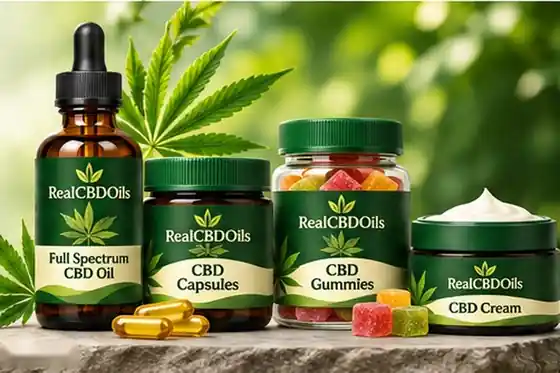
Understanding CBD Product Formats
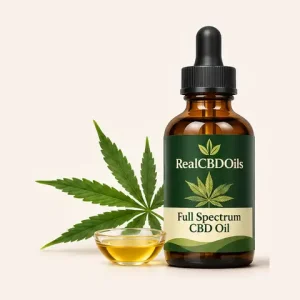
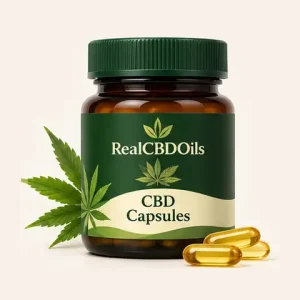
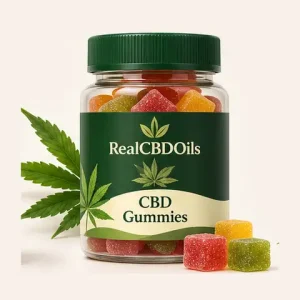
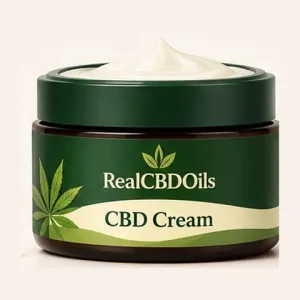
CBD products come in several formats. They differ in how they are used and how they are formulated.
Making an Informed Choice
When comparing CBD products, consider:
- The stated CBD content
- Whether it is full spectrum, broad spectrum or isolate
- The ingredients list
- Labelling and quality documentation
- Whether the product is appropriate for you
CBD can interact with some medications. People who are pregnant or breastfeeding, who take medication or who are managing a health condition should speak with a qualified healthcare professional before use. Possible side effects reported in studies include drowsiness and digestive upset.
CBD Is Not a Substitute for Medical Care
The information on this page is educational and is not medical advice. CBD products are not intended to diagnose, treat, cure or prevent any disease. If you have a health concern, speak with a qualified healthcare professional.